Coats First: The Smart Way to Style Timeless Winter Outfits
Learn how to style timeless winter outfits starting with the coat. Discover practical layering tips, warm fabric pairings, balanced proportions, and everyday winter outfit ideas that look classy without bulk. Perfect if you like casual winter looks built on long-lasting wardrobe staples and thoughtful style choices.
FASHION
AdoreLife
12/4/20255 min read
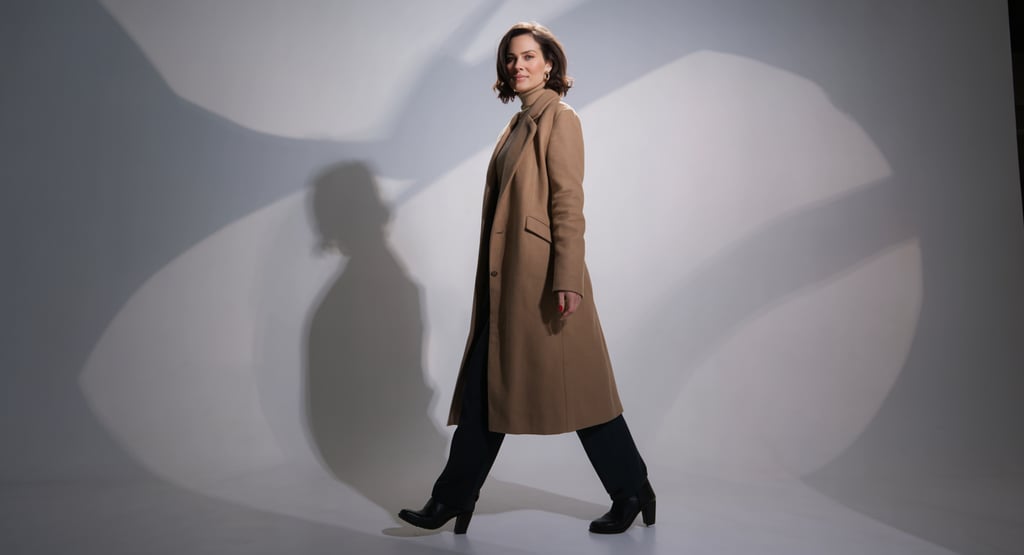
5 Timeless and Classy Outfit Ideas You Can Wear Every Season
Coats First: How to Build Outfits Around One Good Winter Coat
The winter season brings an interesting fashion challenge. We want to look intentional, feel warm, and still stay true to ourselves. Lately, more people are searching for outfit ideas that emphasize simplicity, structure, and warmth before trend noise. And one thing stylists always say quietly — but confidently — is this: the coat is not the final touch, the coat is the foundation.
The right winter coat changes everything. It shapes your posture, your proportions, the entire mood of your outfit, and even how much effort you need to invest in the styling. Instead of piling layers randomly or chasing “momentary looks,” thoughtful styling starts at the outer layer. This is where timeless winter outfits are born — not in bold logos, not in short-lived trends, but in smart layering decisions and clean silhouettes that guide the eye gently.
A coat-first mindset gives outfits direction. It teaches us to think in shapes, weight of fabrics, balance of tones, and layering hierarchy. Winter fashion becomes easier when we shift away from outfit overload and begin to treat the coat as the starting point in the story.
1. The Art of Winter Layering Without the Bulk
The first rule of coat-based outfits is control. Too many layers create visual noise, too much fabric weight distributes proportions unevenly, and soon the outfit wears the person instead of the other way around. A coat-first wardrobe education teaches clear layering logic: start thin, then warm, then structural, then outer.
A convenient guide stylists commonly follow when layering:
Base layer: thin long-sleeve, turtleneck, or lightweight knit
Mid layer: a warmer material like wool-blend sweater or cardigan
Structural layer (optional): tailored blazer or vest for shape
Outer layer: coat that sets the tone and holds the silhouette
You don’t need all four every time. Often, two or three layers are enough if the coat has structure. The goal isn’t minimalism for aesthetics, it’s minimalism for proportion. The thinner your underlying layers, the cleaner your coat carries the entire outfit. This approach keeps the shoulders intentional, the waist suggested but not forced, and the entire winter outfit visually calm and cohesive.
Layering mistakes most people unknowingly make:
Puffy mid-layer + puffy coat = no shape hierarchy
Heavy scarf competing with coat collar shape
Layers longer than coat hem, breaking proportions
Too many different fabrics fighting visually
The trick is contrast, not clutter. If the coat is long and structured, keep layers short and soft. If the coat is oversized, keep textures premium-feeling but calm like brushed wool, fine ribbed knits, or soft felt-blend scarves.
2. Building Outfits Around One Strong Winter Coat
A quality winter coat simplifies everything beneath it. It allows you to repeat outfits often without looking repetitive. That is the beauty of a timeless winter wardrobe approach. You’re not producing new looks every day — you’re producing reliable outfit formulas you can rotate quietly.
Questions to ask when picking the coat that will educate your whole wardrobe:
Does it create a stable shoulder line?
Is the length versatile for different shoes?
Is the tone easy to support without contrast aggression?
Is the silhouette clean even when worn open?
Does it look respectful and confident in motion?
The coat must pass the movement test. If you take a photo standing still and it looks good only in one angle, it’s not timeless. But if you imagine someone walking, holding a bag, turning naturally, or pausing while talking — and it still looks classy — you have a wardrobe teacher of a coat.
Coat types that offer wardrobe styling education all winter long:
Tailored wool coat → teaches clean silhouettes
Oversized structured coat → teaches layering hierarchy
Soft wrap coat → teaches fabric balance
Long straight coat → teaches minimalist proportions
Double-breasted coat → teaches symmetrical composition
For each coat, the styling follows the coat shape, not seasonal noise like decorations, obvious patterns, or ultra-loud color extremes.
3. Cozy Fabrics That Always Look More Premium in Winter
Timeless outfits often rely on texture education. Winter fashion has the superpower of fabric richness. A simple sweater can look more premium in winter simply because cold months amplify texture appreciation.
Fabrics that always look elevated in winter:
Cashmere-blend knits
Brushed wool
Ribbed cotton-wool mix
Felt soft scarves
Straight wool trousers
Leather or suede boots
Opposites attract in winter styling, but modestly:
Hard + soft: wool coat + fine knit
Matte + gentle shine: wool coat + leather boots
Rough + smooth: wool coat + minimal smooth bag
The key is harmonized contrast, not aggressive contrast. You don’t want shiny pieces screaming for attention next to matte wool. You want a quiet conversation between fabrics.
Common fabric pairing lessons:
Wool coats love fine knits, not chunky knits
Suede boots soften classic coats modestly
Straight wool pants keep the outfit timeless
Heavy scarves should match coat softness, not compete
Knits should hug the shape, not expand it
Timeless winter styling education has one major goal: basic pieces should look premium because of proportion and texture, not logos or shiny distractions.
4. Everyday Winter Outfit Rotation You Can Actually Repeat
Repetition is not boring when outfit logic is strong. The key difference between feeds that perform and feeds that don’t is rotation. The viewer can feel when looks are repeatable and real.
Here is a light outfit rotation formula you can teach your wardrobe:
Monday: Coat + thin turtleneck + straight pants
Wednesday: Coat + fine sweater + scarf matching tone
Friday: Coat worn open + fitted knit + boots
Sunday: Coat + minimal sneakers or soft boots + casual pants
The trick is the coat. The items beneath barely need to change when the outer narrative sets the scene. This is the most popularly saved type of outfit inspiration right now: things people imagine themselves actually wearing for commutes, daily habits, cafés, errands, and real winter temperatures.
Some modest rotation tips:
Photograph the coat at different angles, days, motion moments
Repeat the same pants or boots often, few people notice
Change only one element sometimes — scarf, top, or bag
Keep color families harmonized weekly for calm discovery
Avoid loud statement pieces in rotations — they reduce repeats
Two essential psychological outfit lessons for readers:
If it looks easy, they save it.
If it looks wearable, they click your link for resources.
5. The Calm Winter Color Palette That Always Works
Color is a lesson, not a trend. Winter styling education relies on palettes that travel beyond one month. A timeless winter outfit is calm not because it avoids all saturated colors, but because it balances them gently.
Stylish winter palette principles that people currently search:
Soft neutral layers that support coat tone
One calm focal color max per outfit
No more than 2–3 shades blended
Minimal patterns
Controlled contrast
No neon or high-shock tones
Color mood education breakdown:
Black coat → pair with stone gray, soft cream, or denim
Camel coat → pair with chocolate, beige, or white
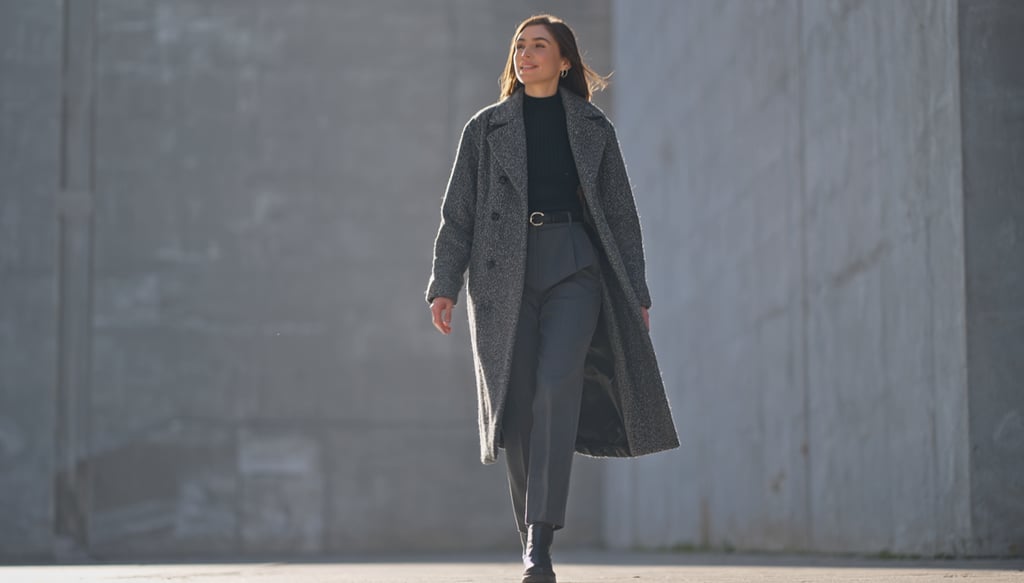
Gray coat → pair with navy, black, or gentle pastels
Dark navy coat → pair with white, black, or washed blue
Light coat → pair with darker shoes and calm contrasts
The least saturated wardrobes always perform better long-term:
Cream
Soft gray
Black
Denim blue
Camel
Chocolate brown
Muted burgundy
Gentle olive green
Use these tones intelligently, not boldly. When someone sees your black dress or coat, they shouldn’t say wow. They should say: I can wear that.
Final Thought — Outfit Education is Confidence
This approach proves one strong styling truth: the outer layer is the teacher. When we build looks around coats — instead of finish them with coats — winter styling becomes easier, cleaner, and more intentional.
The key to a successful winter outfit is not novelty. It's clarity:
clear layering
fabric hierarchy
calm proportions
simple rotation logic
mood carried by the coat
Fashion becomes sustainable when styling education replaces trend overload. A winter coat that tells the story carries every outfit beneath it quietly, confidently, and timelessly.
And that is how you dress classy in winter — not for one photo, but for every winter that comes.
Contact
Follow
info@adorelife.net
© 2025. All rights reserved.